


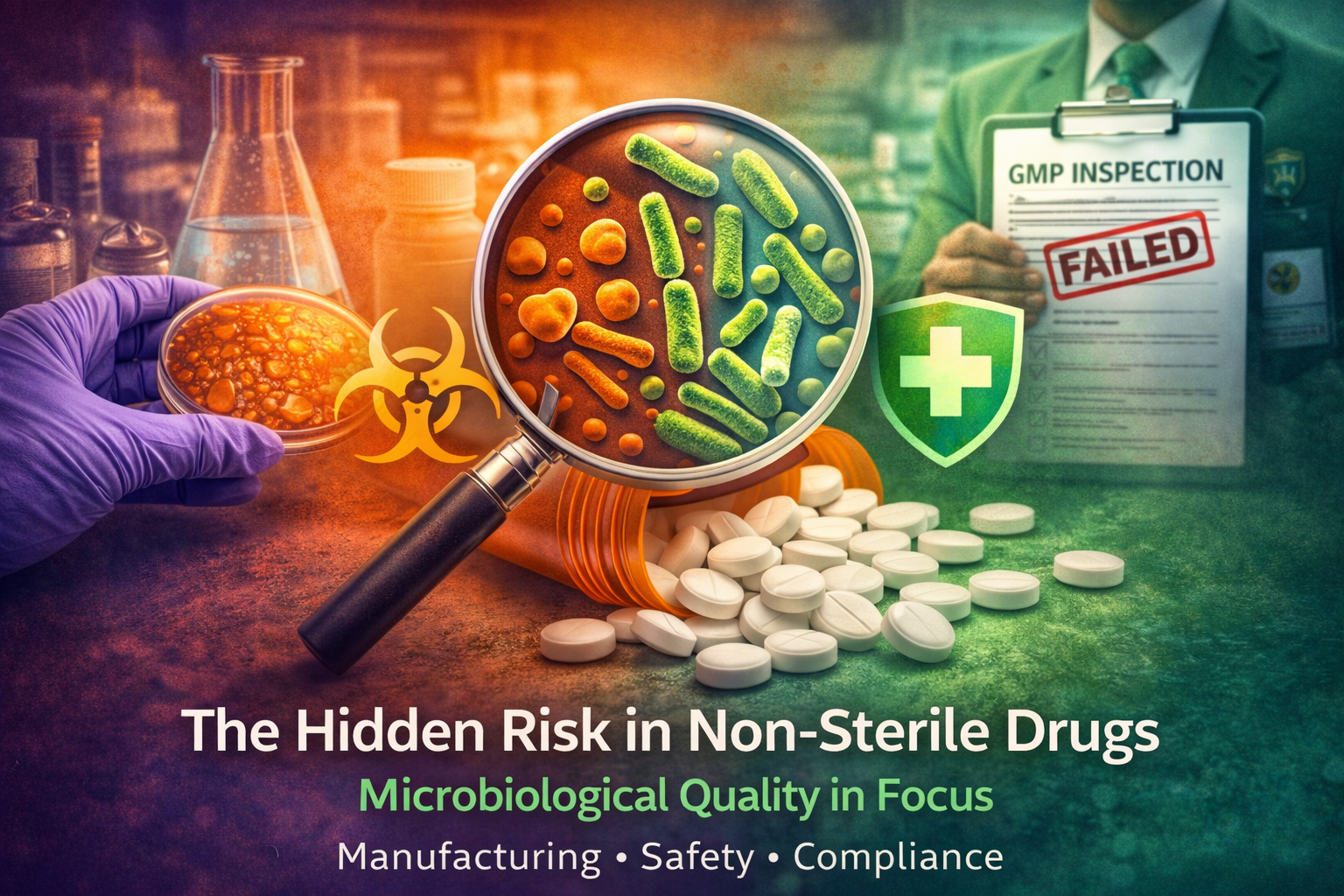
Microbiological Quality in Focus
When we think about microbiological quality in pharmaceuticals, our minds often jump to sterile injections or eye drops. But even non-sterile products like oral tablets need careful attention. While tablets don’t need to be free of all microorganisms, the presence of harmful or excessive microbes can still impact product quality, regulatory compliance, and most importantly—patient safety.
Let’s explore microbiological quality considerations for non-sterile products through different perspectives, with oral tablets as our main example.
- Process Perspective
Keeping Manufacturing Under Control
Even though oral tablets are relatively low-risk compared to aqueous products, manufacturing still presents opportunities for contamination.
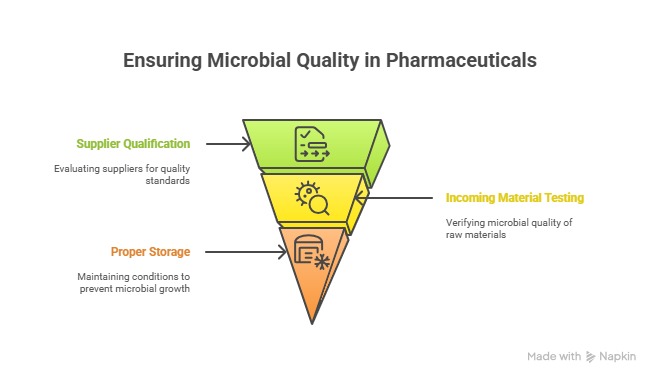
- Raw Materials: Many tablet excipients (like starch, lactose, or cellulose) are derived from natural sources and can carry microorganisms with them. This makes supplier qualification, incoming material testing, and proper storage critical.
- Water Systems: Even though tablets are “dry,” water is often used in processes like granulation and film coating. Any microbial contamination in the water can be transferred into the final product.
- Facilities and Equipment: Tablet compression and coating are usually carried out in open equipment. Air quality, humidity control, and validated cleaning of equipment all help keep contamination levels in check.
- Personnel Practices: Operators are a common source of contamination. Even in non-sterile areas, training on hygiene, gowning, and good habits (like avoiding touching product-contact surfaces) is essential.
In short: even for tablets, manufacturers must design processes that minimize microbial ingress and control bioburden before it becomes a problem.
- Product Perspective:
How the Tablet Itself Helps (or Doesn’t)
From a product design standpoint, oral tablets have an advantage: their low water activity makes it difficult for microorganisms to multiply. This is why microbial problems with tablets are less frequent than with syrups or creams. Still, risks remain.
- Excipients Matter: Natural excipients can introduce microorganisms, so they must be carefully controlled. Synthetic excipients usually carry lower risk.
- Coatings and Film Solutions: The coating step can involve aqueous suspensions, which present a temporary risk for microbial growth if solutions are held too long.
- Packaging Integrity: Bottles and blister packs must protect tablets from moisture. Poorly sealed packaging can allow humidity in, raising water activity and encouraging microbial growth.
- Stability: Even though tablets are stable from a microbial perspective, storage conditions (e.g., in hot and humid climates) can change that balance. Stability testing should include microbial monitoring to ensure quality is maintained over the product’s shelf life.
Tablets are “low risk but not no risk.” Smart formulation and packaging choices help safeguard their microbial quality.
- Patient Perspective:
Why It Still Matters
For the average healthy adult, swallowing a tablet with a few harmless microorganisms may not cause issues. But microbiological quality isn’t just about numbers—it’s about safety and trust.
- Objectionable Microorganisms: Even in small amounts, certain pathogens like Salmonella, E. coli, or Staphylococcus aureus are unacceptable in oral tablets. Their presence could cause infections, especially if tablets are taken long-term.
- Vulnerable Populations: Patients with weakened immune systems (e.g., elderly, oncology patients, or children) are at greater risk. What seems minor contamination for one patient could be serious for another.
- Quality Perception: Beyond health risks, visible signs of contamination (e.g., discoloration or tablet degradation due to microbial activity) undermine patient confidence and brand reputation.
Real-World Example: In 2014, a manufacturer recalled several batches of dietary supplement tablets after Salmonella contamination was detected in raw plant-based excipients used in production. Even though tablets are considered low-risk, contaminated excipients introduced objectionable microorganisms into the final product, prompting a nationwide recall.
Patient safety is the ultimate goal. Even non-sterile products must be made with the mindset that someone vulnerable may be taking them.
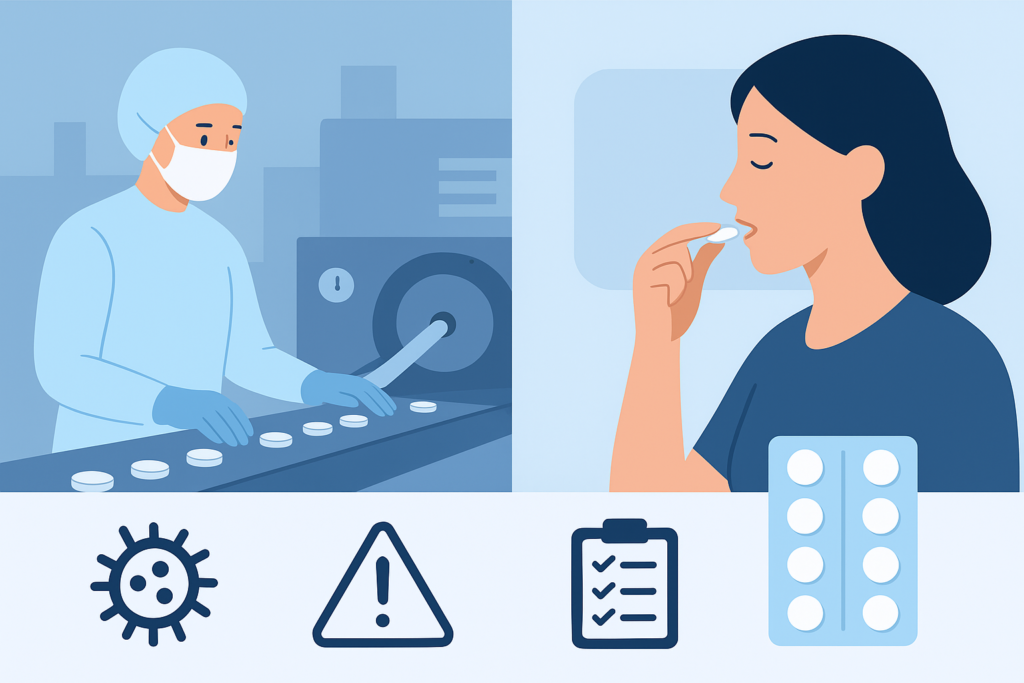
- Regulatory Perspective:
What Inspectors Expect
Health authorities worldwide recognize the risks of microbial contamination in non-sterile products.
- Pharmacopoeial Standards:
- USP <1111> and Ph. Eur. 5.1.4 set microbial limits for tablets and other dosage forms.
- They don’t just look at total microbial counts but also at the absence of objectionable organisms.
- ICH Guidelines:
- ICH Q6A guides how to set microbiological specifications.
- ICH Q9 and Q10 emphasize risk management and integration of microbial control into the pharmaceutical quality system.
- Regulatory Inspections: Agencies like FDA and EMA expect companies to show:
- That raw materials and processes are under control.
- That microbial specifications are scientifically justified.
- That testing methods (USP <61>/<62>) are validated and appropriate.
- That investigations are thorough when microbial trends or deviations occur.
Real-World Example: In 2017, FDA cited a manufacturer of oral pain-relief tablets in a warning letter after routine microbial testing found excessive total aerobic microbial counts above USP <1111> limits. The company did not perform a proper investigation, and FDA highlighted both a lack of effective raw material controls and inadequate environmental monitoring in the tablet manufacturing area.
Regulators expect a risk-based approach: companies don’t need to test tablets like sterile injectables, but they do need a clear microbial control strategy.
Conclusion
Oral tablets, like all non-sterile dosage forms, don’t have to be sterile—but they must be safe, consistent, and free of objectionable microorganisms. Achieving this requires:
- Robust manufacturing processes that limit contamination,
- Thoughtful product design and packaging,
- Constant focus on patient safety, and
- Compliance with global regulatory expectations.
Microbiological quality in non-sterile dosage forms may not grab headlines like sterile contamination incidents, but it’s a critical part of protecting patients and ensuring medicines remain safe and effective.
Finally, it’s important to recognize that maintaining high microbiological standards is not just about systems and equipment—it’s about people.
Ongoing professional training and specialized courses in pharmaceutical microbiology give R&D teams, QC labs, and manufacturing staff the knowledge and practical tools to detect risks early, apply the latest regulatory expectations, and learn from real-world case studies. By investing in training, companies strengthen both compliance and product quality, while professionals expand their expertise and contribute to safer medicines.
Find out more about our upcoming professional course <add link>