Many life sciences teams struggle with:
Understanding PK and PD drivers of drug performance
Interpreting concentration, exposure, efficacy, and safety relationships
Translating animal data into human development predictions
Using PK/PD software and analytical tools effectively
Communicating findings across scientific and regulatory teams

Participants learn a structured, practical approach including:
Interpreting core PK and PD parameters correctly
Applying compartmental and non-compartmental analysis methods
Exploring variability, covariates, and population modeling concepts
Evaluating tissue distribution and PBPK model applications
Presenting PK/PD findings for cross-functional decision-making
This course helps professionals turn complex PK/PD concepts into practical development insight across preclinical, clinical, regulatory, and quality environments.
Many life sciences teams struggle with:
Understanding PK and PD drivers of drug performance
Interpreting concentration, exposure, efficacy, and safety relationships
Translating animal data into human development predictions
Using PK/PD software and analytical tools effectively
Communicating findings across scientific and regulatory teams
Participants learn a structured, practical approach including:
Interpreting core PK and PD parameters correctly
Applying compartmental and non-compartmental analysis methods
Exploring variability, covariates, and population modeling concepts
Evaluating tissue distribution and PBPK model applications
Presenting PK/PD findings for cross-functional decision-making
This course helps professionals turn complex PK/PD concepts into practical development insight across preclinical, clinical, regulatory, and quality environments.
Understand absorption, distribution, metabolism, and excretion principles
Interpret concentration-time data and key PK parameters
Connect drug structure with exposure and disposition behavior
Differentiate compartmental and non-compartmental analysis approaches
Evaluate model fit, residuals, and statistical outputs
Understand variability, covariates, and population model concepts
Define potency, efficacy, therapeutic window, and index
Analyze PK/PD relationships for activity and safety
Use effect data to support development decisions
Analyze animal and human PK/PD datasets
Use dedicated free software for practical modeling exercises
Interpret results and explore commercial software capabilities
Understand absorption, distribution, metabolism, and excretion principles
Interpret concentration-time data and key PK parameters
Connect drug structure with exposure and disposition behavior
Differentiate compartmental and non-compartmental analysis approaches
Evaluate model fit, residuals, and statistical outputs
Understand variability, covariates, and population model concepts
Define potency, efficacy, therapeutic window, and index
Analyze PK/PD relationships for activity and safety
Use effect data to support development decisions
Analyze animal and human PK/PD datasets
Use dedicated free software for practical modeling exercises
Interpret results and explore commercial software capabilities
Build stronger skills to interpret PK/PD results and support development strategy.
Improve your ability to review PK/PD data in regulatory documentation.
Strengthen scientific understanding when evaluating study outputs and data quality.
Apply PK/PD analysis concepts to support more informed modeling and interpretation.

Build stronger skills to interpret PK/PD results and support development strategy.
Improve your ability to review PK/PD data in regulatory documentation.
Strengthen scientific understanding when evaluating study outputs and data quality.
Apply PK/PD analysis concepts to support more informed modeling and interpretation.
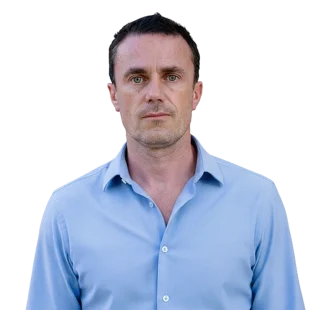
Prof. David Stepensky is a leading expert in pharmacokinetics, pharmacodynamics, PK/PD modeling, drug delivery systems, and targeted therapies. He combines deep academic expertise with practical consulting experience across pharma, biotech, and health authority environments, helping professionals translate complex PK/PD science into meaningful drug development decisions.
Areas of expertise: •Pharmacokinetics •Pharmacodynamics PK/PD •Modeling Drug Delivery •Targeted Therapies •Regulatory Consulting
Head of the School of Pharmacy at Ben-Gurion University
Published more than 60 scientific papers in the field
Consultant to the Israeli Ministry of Health and industry
Academic training includes Hebrew University, Weizmann Institute, and Yale
Prof. David Stepensky is a leading expert in pharmacokinetics, pharmacodynamics, PK/PD modeling, drug delivery systems, and targeted therapies. He combines deep academic expertise with practical consulting experience across pharma, biotech, and health authority environments, helping professionals translate complex PK/PD science into meaningful drug development decisions.
Areas of expertise: •Pharmacokinetics •Pharmacodynamics PK/PD •Modeling Drug Delivery •Targeted Therapies •Regulatory Consulting
Head of the School of Pharmacy at Ben-Gurion University
Published more than 60 scientific papers in the field
Consultant to the Israeli Ministry of Health and industry
Academic training includes Hebrew University, Weizmann Institute, and Yale

Interactive sessions with real-time Q&A and expert guidance

Two intensive sessions: 10:00-13:30 EST each day

Comprehensive coverage in 2 convenient half-day sessions

Review sessions and reference materials at your own pace
No prior PK/PD modeling experience is required. The course is designed to be accessible for beginners while still offering practical value for more experienced professionals.
No. The course is also highly relevant for professionals in clinical research, regulatory affairs, quality, biostatistics, and broader drug development teams. It is especially useful for those who need to interpret PK/PD outputs and communicate findings clearly.
Yes. Participants will work through practical examples using dedicated free software and will also see demonstrations of commercial PK/PD tools. This helps connect theory with real application.
Yes. Participants receive course materials and example datasets that support learning and application after the training. The free software used in the workshop can also continue to support their work.