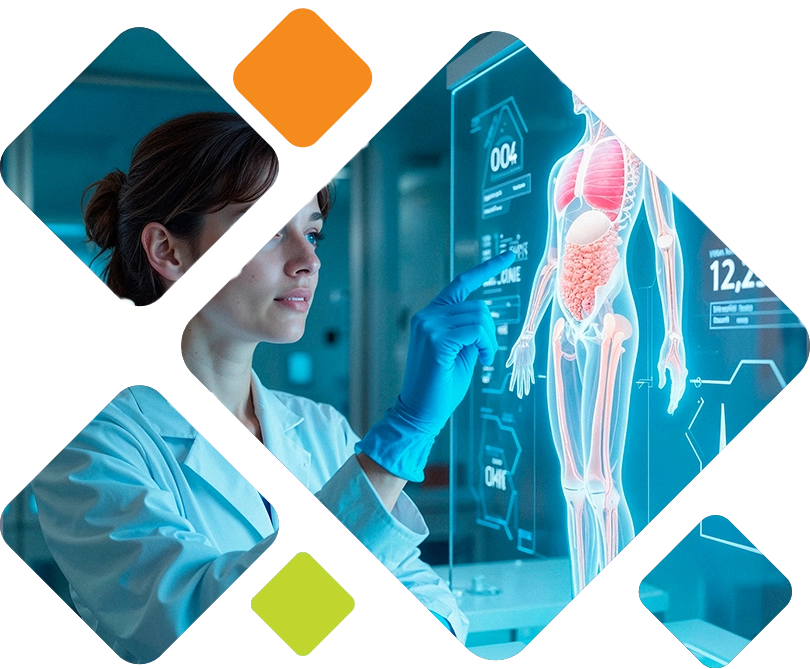
Strong digital governance turns innovation into compliant, inspection-ready progress.
Common Challenges
Many life sciences teams struggle with:
Interpreting evolving GMP expectations for AI adoption
Defining intended use and regulatory system boundaries
Building governance for digital systems and data integrity
Managing documentation across hybrid and computerized environments
Preparing quality systems for upcoming GMP revisions
Our Solution
Participants learn a structured, practical approach including:
Interpreting FDA and EMA digital GMP expectations
Applying risk-based qualification for AI-enabled systems
Defining intended use, context, and model explainability
Strengthening lifecycle, governance, and data controls
Building gap assessments and implementation readiness plans
This course helps professionals translate emerging GMP requirements into practical compliance actions across computerized systems, AI governance, and quality systems.
Strong digital governance turns innovation into compliant, inspection-ready progress.
Common Challenges
Many life sciences teams struggle with:
Interpreting evolving GMP expectations for AI adoption
Defining intended use and regulatory system boundaries
Building governance for digital systems and data integrity
Managing documentation across hybrid and computerized environments
Preparing quality systems for upcoming GMP revisions
Our Solution
Participants learn a structured, practical approach including:
Interpreting FDA and EMA digital GMP expectations
Applying risk-based qualification for AI-enabled systems
Defining intended use, context, and model explainability
Strengthening lifecycle, governance, and data controls
Building gap assessments and implementation readiness plans
This course helps professionals translate emerging GMP requirements into practical compliance actions across computerized systems, AI governance, and quality systems.
What You'll Learn
Comprehensive curriculum designed to help professionals implement regulatory-aligned computerized systems and AI governance.
Regulatory Frameworks & GMP Updates
Review draft EU Annex 11 requirements
Examine new Annex 22 for AI
Understand FDA and EMA ten point plan
Computerised Systems Governance
Define computerized systems in GMP environments
Build governance models for digital operations
Align documentation and system oversight practices
AI Qualification & Intended Use
Apply risk-based AI model qualification principles
Clarify intended use and context of use
Address explainability, reliability, and model design
Data Integrity & Readiness Planning
Strengthen documentation and data governance controls
Assess validation and lifecycle integrity impacts
Conduct gap analysis for AI readiness
What You'll Learn
Comprehensive curriculum designed to help professionals implement regulatory-aligned computerized systems and AI governance.
Regulatory Frameworks & GMP Updates
Review draft EU Annex 11 requirements
Examine new Annex 22 for AI
Understand FDA and EMA ten point plan
Computerised Systems Governance
Define computerized systems in GMP environments
Build governance models for digital operations
Align documentation and system oversight practices
AI Qualification & Intended Use
Apply risk-based AI model qualification principles
Clarify intended use and context of use
Address explainability, reliability, and model design
Data Integrity & Readiness Planning
Strengthen documentation and data governance controls
Assess validation and lifecycle integrity impacts
Conduct gap analysis for AI readiness
Who This Course Is For
Quality Assurance and Quality Control Professionals
Strengthen digital GMP oversight and prepare compliant quality system updates.
Operations, Production, and Supply Leaders
Apply AI and computerized systems requirements across daily GMP and GDP operations
IT, CSV, Automation, and Digitalization Teams
Build compliant governance, validation, and lifecycle controls for digital systems.
Qualified Persons, R&D, and Technology Transfer Teams
Understand regulatory expectations and support compliant AI-enabled operational decisions.
Who This Course Is For
Quality Assurance and Quality Control Professionals
Strengthen digital GMP oversight and prepare compliant quality system updates.
Operations, Production, and Supply Leaders
Apply AI and computerized systems requirements across daily GMP and GDP operations.
IT, CSV, Automation, and Digitalization Teams
Build compliant governance, validation, and lifecycle controls for digital systems.
Qualified Persons, R&D, and Technology Transfer Teams
Understand regulatory expectations and support compliant AI-enabled operational decisions.
Meet Your Instructor
Karen Taylor (Ginsbury), GMP / Quality Management Systems Consultant
Karen Taylor is a highly respected GMP and quality systems consultant with more than 30 years of industry experience supporting global pharma and biotech companies in inspection readiness, regulatory strategy, computerized systems compliance, and data governance. She is also an award-winning international speaker known for translating complex GMP changes into practical, real-world guidance.
Areas of expertise: • GMP • Quality Systems • Inspection Readiness • Computerised Systems • Data Governance • Regulatory Strategy • CMO Audits
More than 30 years in pharma and biotech consulting
Supported startups and global companies through inspections
Co-founded PDA interest group on outsourced operations
Multiple speaker of the year award recipient
Meet Your Instructor
Karen Taylor (Ginsbury), GMP / Quality Management Systems Consultant
Karen Taylor is a highly respected GMP and quality systems consultant with more than 30 years of industry experience supporting global pharma and biotech companies in inspection readiness, regulatory strategy, computerized systems compliance, and data governance. She is also an award-winning international speaker known for translating complex GMP changes into practical, real-world guidance.
Areas of expertise: • GMP • Quality Systems Inspection • Readiness • Computerised Systems • Data Governance • Regulatory Strategy • CMO Audits
More than 30 years in pharma and biotech consulting
Supported startups and global companies through inspections
Co-founded PDA interest group on outsourced operations
Multiple speaker of the year award recipient
Course Format & Schedule
Live via Zoom
Interactive sessions with real-time Q&A and expert guidance
April 14-15, 2025
Two intensive sessions: 10:00-13:30 EST each day
9 Hours Total
Three live Zoom sessions, three hours eachs
60-Day Replay Access
Review sessions and reference materials at your own pace
Is this course relevant if our company is not yet using AI?
Yes. The course helps organizations prepare for upcoming GMP expectations before AI tools are broadly deployed. It is especially valuable for teams building future-ready quality and governance systems.
Does the course cover both EU and FDA expectations?
Yes. The program reviews draft EU GMP updates and the shared FDA-EMA ten point plan. Participants gain a practical understanding of how these expectations align and differ.
Do I need prior experience with artificial intelligence?
No. The course is designed for both experienced professionals and those newer to AI topics. It explains the compliance impact in clear GMP-focused language.
Will the course address computerized systems beyond AI?
Yes. It covers the broader scope of computerized systems in GMP environments. This includes governance, documentation, lifecycle control, and data integrity.
An excellent course for understanding how AI fits into modern GMP expectations.
Priya NairHead of Regulatory Affairs
Clear, practical, and highly relevant for any pharma team navigating digital compliance.
Sofia LindbergValidation Manager
This training helped us connect draft regulations to real operational decisions.
Martin KellerSenior GMP Consultant
Karen explains complex computerized systems requirements in a practical, usable way.
Elena PetrovDigital Quality Lead
A strong foundation for building AI governance within a compliant quality framework.
James HollowayOperations Compliance Manager
One of the most useful GMP update courses I’ve attended in recent years.
Get Ready for the Next Era of Digital GMP Compliance
Join this live course to understand emerging FDA and EU expectations for computerized systems and artificial intelligence. Equip your quality, regulatory, and operations teams with practical tools to build compliant, inspection-ready digital governance.