In the biomedical industry, software validation is far more than a regulatory obligation—it is a critical safeguard for patient safety, data integrity, and operational reliability. This article explores why validated software is essential in regulated biomedical environments, highlights best practices and common pitfalls, and examines how emerging technologies like AI, automation, and cloud systems are reshaping validation expectations.
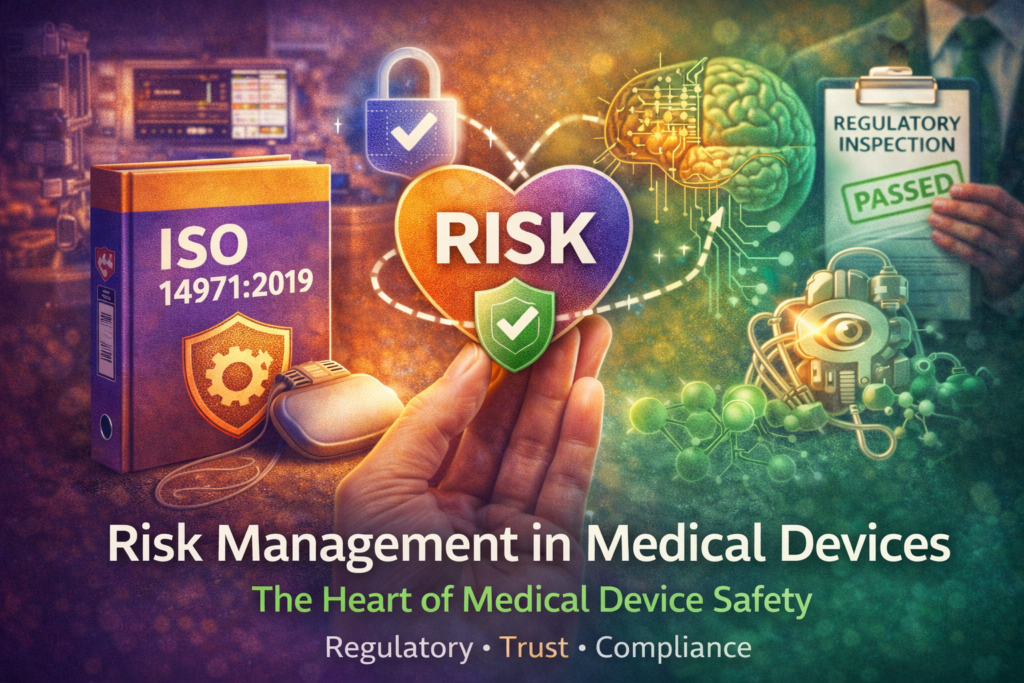
Risk management is the backbone of medical device safety, regulatory compliance, and patient trust. This article explores how ISO 14971:2019 shapes modern, lifecycle-based risk management—highlighting real-world failures, emerging risks from AI and software-driven devices, and why a robust, continuously maintained Risk Management File is essential in today’s evolving regulatory landscape.
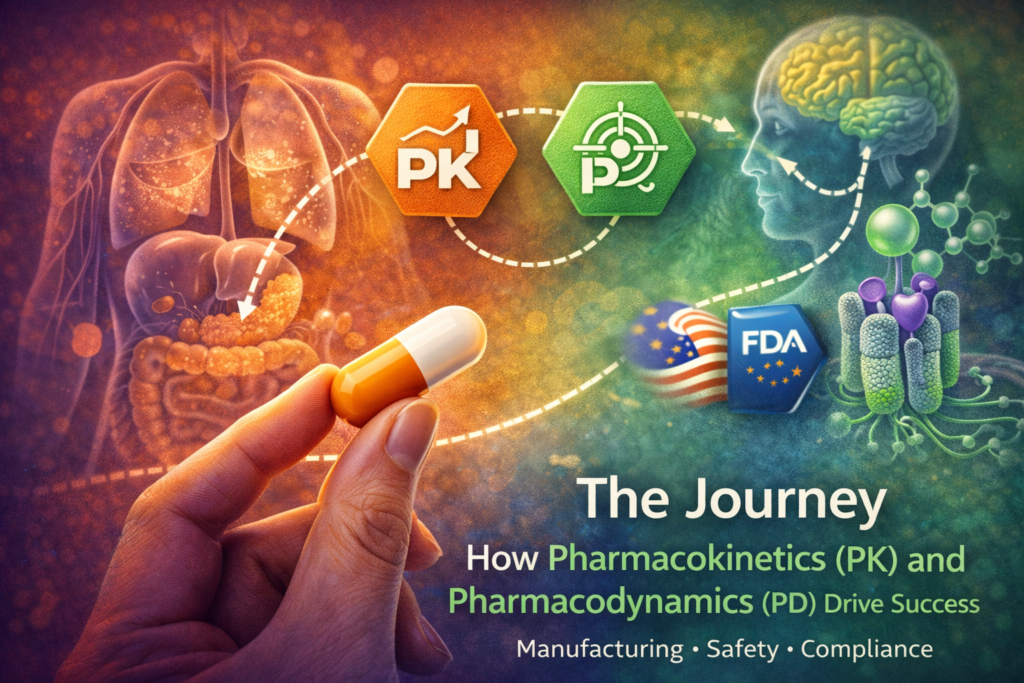
From the moment a tablet is swallowed, a complex scientific journey begins—one that determines whether a drug will be effective, safe, and reliable. This article explores how pharmacokinetics (PK) and pharmacodynamics (PD) work together to govern oral drug absorption, distribution, metabolism, and therapeutic response, and why mastering this interplay is essential for successful drug development and regulatory approval.
Non-sterile drugs such as oral tablets may appear low risk, but inadequate microbiological control can still lead to product recalls, regulatory findings, and patient harm. This article explores microbiological quality in non-sterile dosage forms from manufacturing, product, patient, and regulatory perspectives—highlighting why a risk-based microbial control strategy is essential for GMP compliance and patient safety.
The FDA’s introduction of the Quality Management System Regulation (QMSR) marks a pivotal shift in medical device regulation, formally aligning U.S. quality system requirements with ISO 13485. This convergence reduces regulatory duplication, streamlines global compliance, and reshapes how manufacturers, quality teams, and regulatory professionals design, manage, and maintain quality systems in a unified global framework.